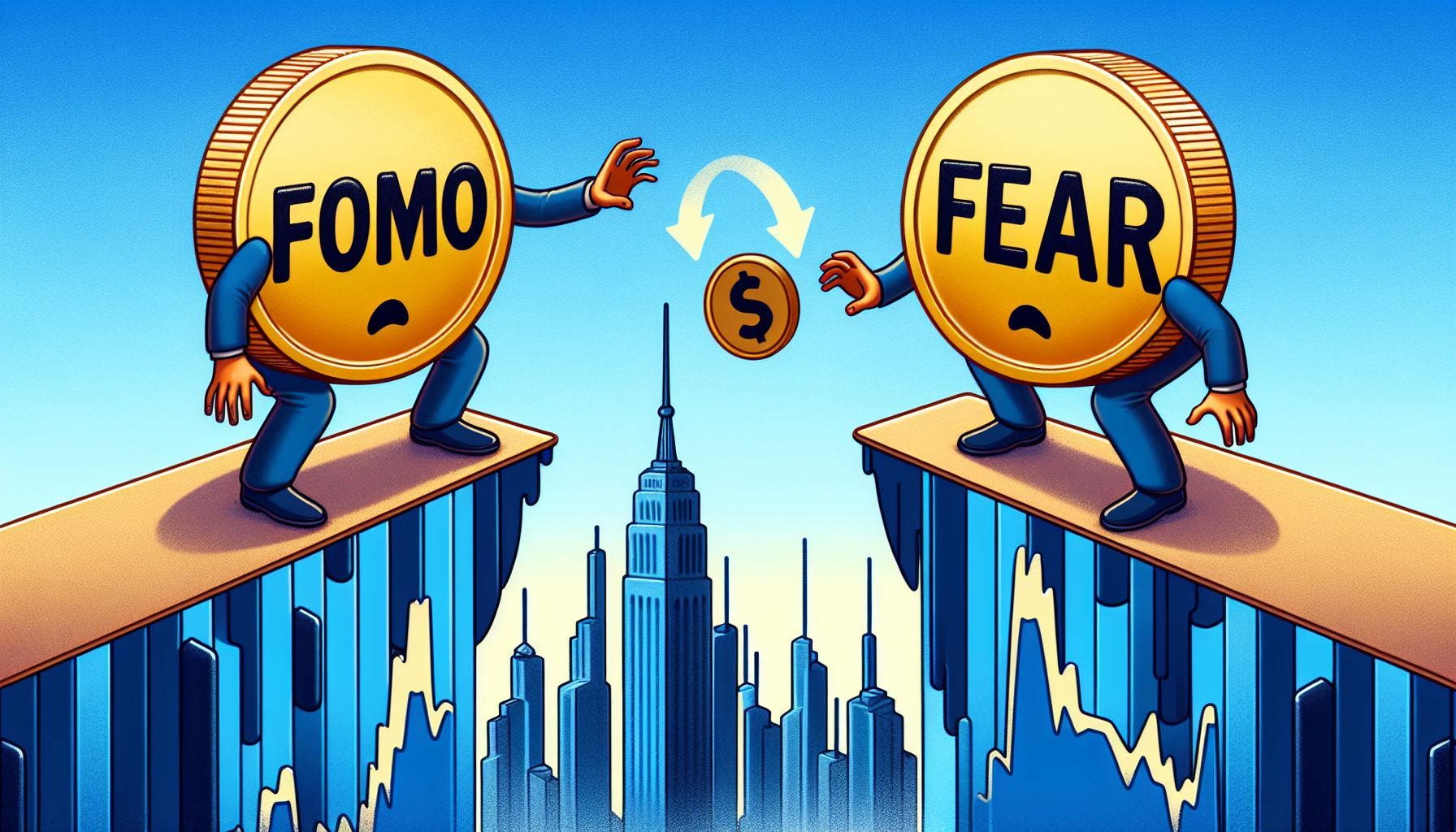
Insider Buying Week 03-08-24 FOMO or FEAR?

I’ve been struggling to explain the speculative frenzy I sense in the markets. Stocks routinely go up and down 20% on earnings or even something as trivial as an analyst upgrade or downgrade yet the underlying market seems calm, benign even. The VIX, which is the current mathematic model for measuring short-term volatility, steadily trends lower. The VIX is a measure of the volatility of the S&P 500, and by now, everyone understands that the capitalization-weighted nature of that index dominates the recent stock market performance. The popular but obsolete already term ‘Magnificent 7’ refers to a handful of mega … Read more
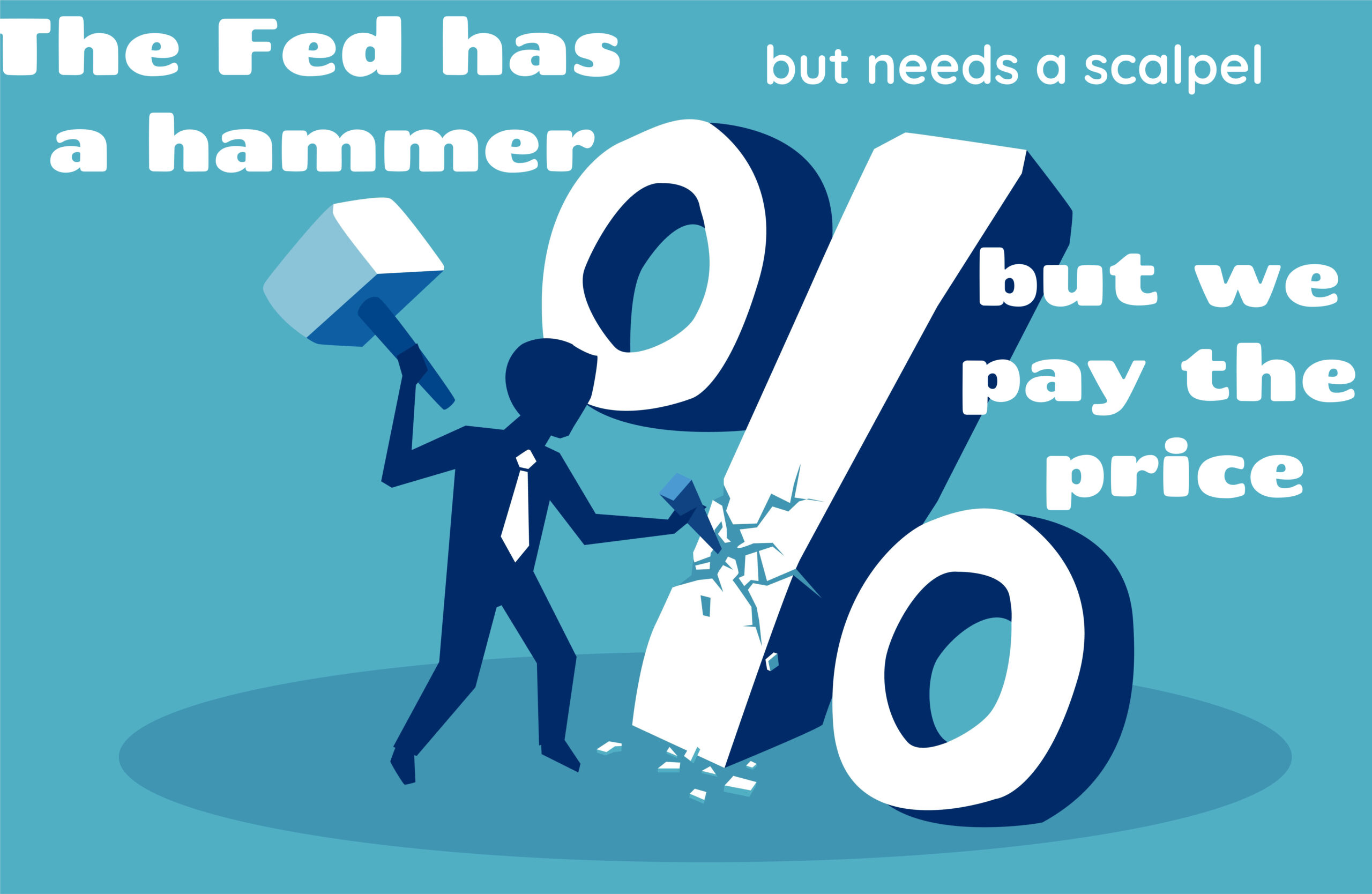
The Fed has a Hammer but needs a Scalpel Insider Buying Week 2-24-23

It’s a commonly held view amongst market strategists that the Fed follows interest rates, not determines them. You don’t have to look very far to see plenty of evidence of that.  It’s a quiet conspiracy amongst talking heads and futures markets that economic events and statistics are immediately reflected in real-time price action in the bond markets, dot plots, and other dynamic markets. The Fed will often talk up its view, and by the time they do take some action on rates, it’s hardly a surprise. This is, of course, by design. The Powell Fed believes in transparency and no … Read more

Why the Collapse in the Price of Oil is Reminiscent of Previous Financial Bubbles

Bubbles all have the same characteristics of unrealistic expectations but are incredibly difficult to recognize until after the effect. Prices in an economic bubble can fluctuate erratically, and become impossible to predict from supply and demand alone. While some economists deny that bubbles occur,  the cause of bubbles remains disputed by those who are convinced that asset prices often deviate strongly from intrinsic values.-Wikipedia 2008 housing bubble and ensuing financial market rout “We recognized that, despite our suspicions, it was very difficult to definitively identify a bubble until after the fact,” -Alan Greenspan 2000 Dot Com bubble In  2000, AOL purchased Time Warner for US$164 billion. Shortly thereafter the bubble burst and technology stocks suffered a remarkable … Read more